
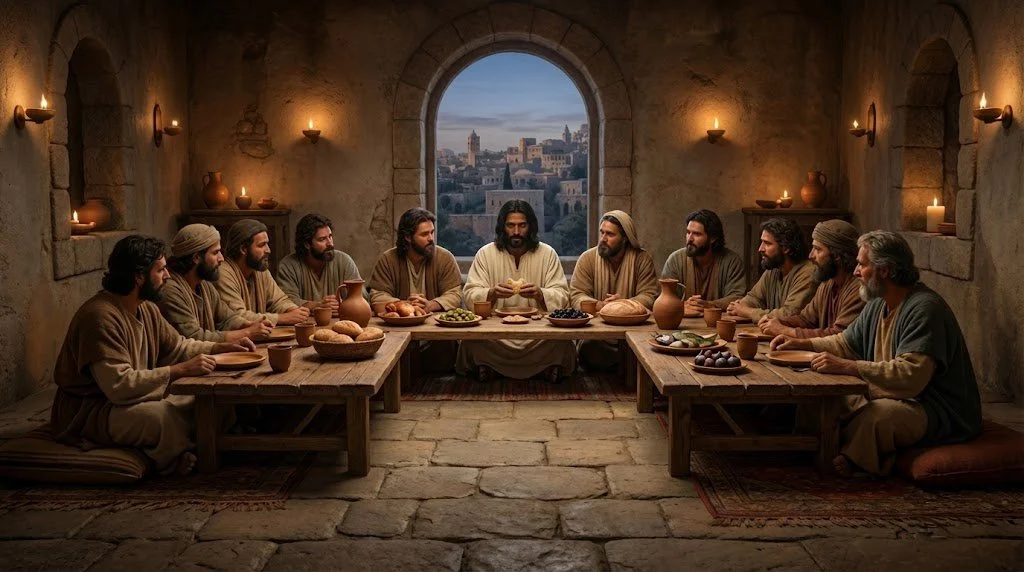
The Table That Threatens the Stage
A covenant-shaped challenge to rebuild real ekklesia beyond the stage. This article introduces the TABLE framework—Together, Ask, Break Bread, Listen, Extend—and shows how Hebraic communal life, Scripture-centered dialogue, honest confession, and practical love create the kind of church the New Testament assumes: a family, not a crowd.

Delighting in God’s Instruction: Understanding Psalm 1 and the Law in Light of Yeshua
The Law of Moses finds its climax in His righteousness, the Ten Commandments their echo in His love, and the Law of Christ its heartbeat in His sacrifice. This isn’t abolition but completion, not burden but beauty.

The Sin That “Leads to Death”
Sin that leads to death” isn’t a spooky Bible phrase meant to keep tender consciences on a leash. It’s a covenant warning. In Torah categories, death isn’t only a pulse stopping—it can be karet, being “cut off,” a rupture from the life-stream of God Himself. And the dividing line isn’t “big sins” versus “small sins.” It’s repentance versus refusal.

The Torah You Can Keep Today (Jew + Gentile)
Torah isn’t a grim list of religious rules—it’s a covenant roadmap for real-life faithfulness. These commandments are good and wise, shaping worship, rest, justice, mercy, and integrity. Read them as a mirror and a compass, not a ladder to earn salvation.

The Gospel You Were Sold vs. The Gospel That Saves
Most of us were handed a “gospel” Yeshua never preached — a sinner’s prayer, cheap grace, and a ticket to heaven that never actually changes us. Scripture doesn’t treat salvation as a vague pardon. It treats it as new creation, covenant restoration, Torah written on the heart.

Jennifer’s Story, Maria’s Story… and Yours
One Friday email warned her that LGBT messaging was being slipped into “neutral” classroom content. The next week, her eight-year-old came home talking about a “Tuskegee Airmen” video that ended with LGBT promotion in the military.

The Sunday Machine vs. the Kehilla
If your church can’t survive without branding, budgets, and a stage, you should at least ask whether it’s the same thing the apostles built. The New Testament’s ekklesia wasn’t a weekly spectator event—it was a covenant family: shared life, mutual strengthening, many voices contributing, leaders equipping saints, and real accountability. When the model shifts to a pastor-centered bottleneck and an audience that consumes, discipleship quietly gets replaced by dependency. That isn’t cynicism—it’s biblical realism.
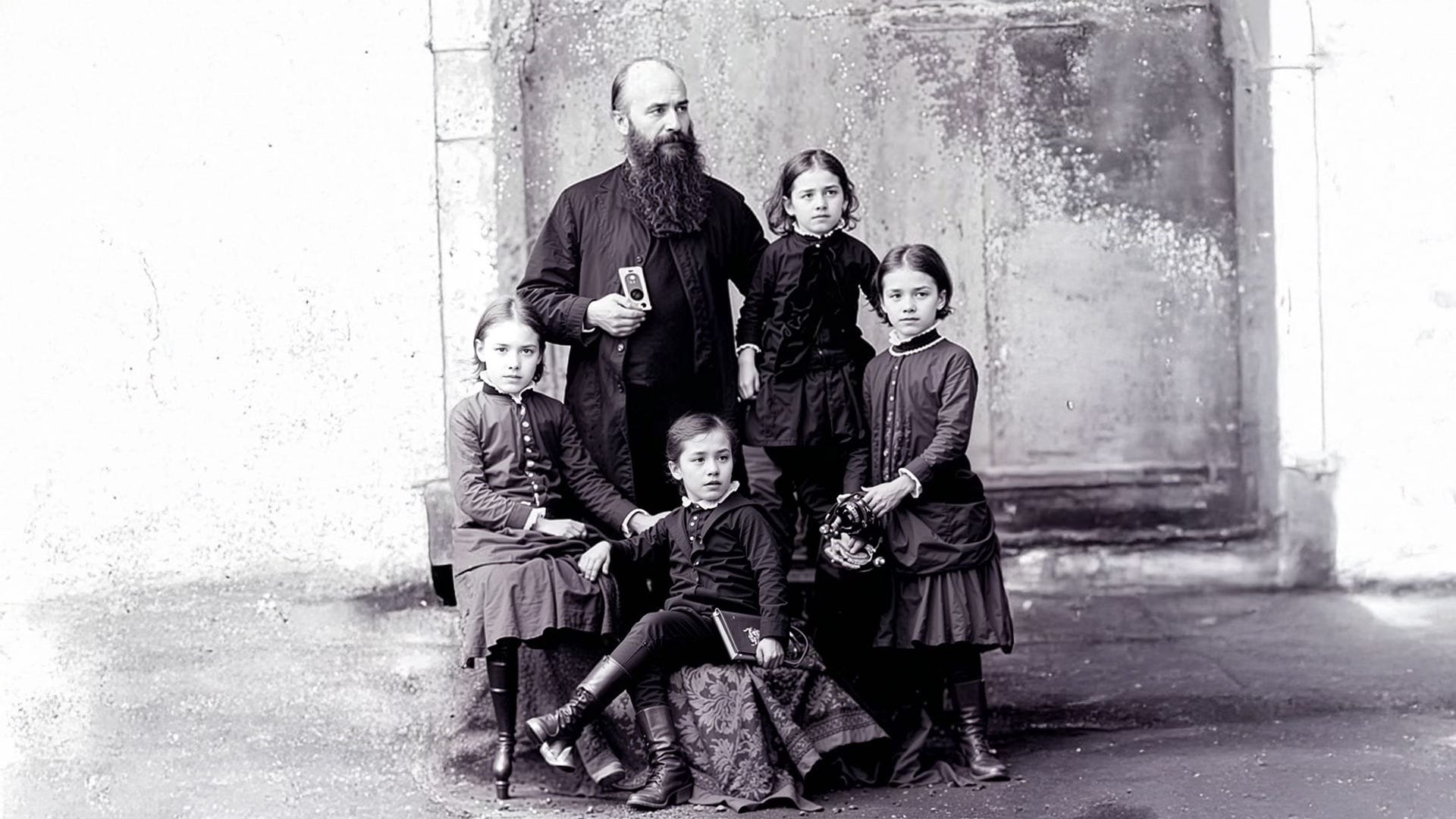
The Pastor Who Put Zion on His Living-Room Floor
Hechler’s story matters because it exposes a kind of faith we rarely see anymore: Bible-first, covenant-aware, and willing to do something with what it reads. He wasn’t treating Israel as a metaphor or the Old Testament as an awkward preface—he treated the prophets like living truth and the Jewish people like living neighbors. And that’s the uncomfortable question his life leaves on the table: if we claim to love Scripture, why are we so quick to allegorize away the parts that still demand humility, clarity, and cost?

The Church’s Quiet Crisis: We’ve Taught Conclusions, Not Discernment
If pastors only teach people what to think, they create dependents—believers who can repeat conclusions but can’t handle Scripture when pressure hits. Teaching people how to think is different: it trains context, genre, careful reading, and honest reasoning so the mind can actually be “renewed” the way Romans 12:2 describes. The goal isn’t rebellion or endless doubt—it’s mature disciples who can return to the text, test claims, and obey God with clarity instead of living off borrowed convictions.